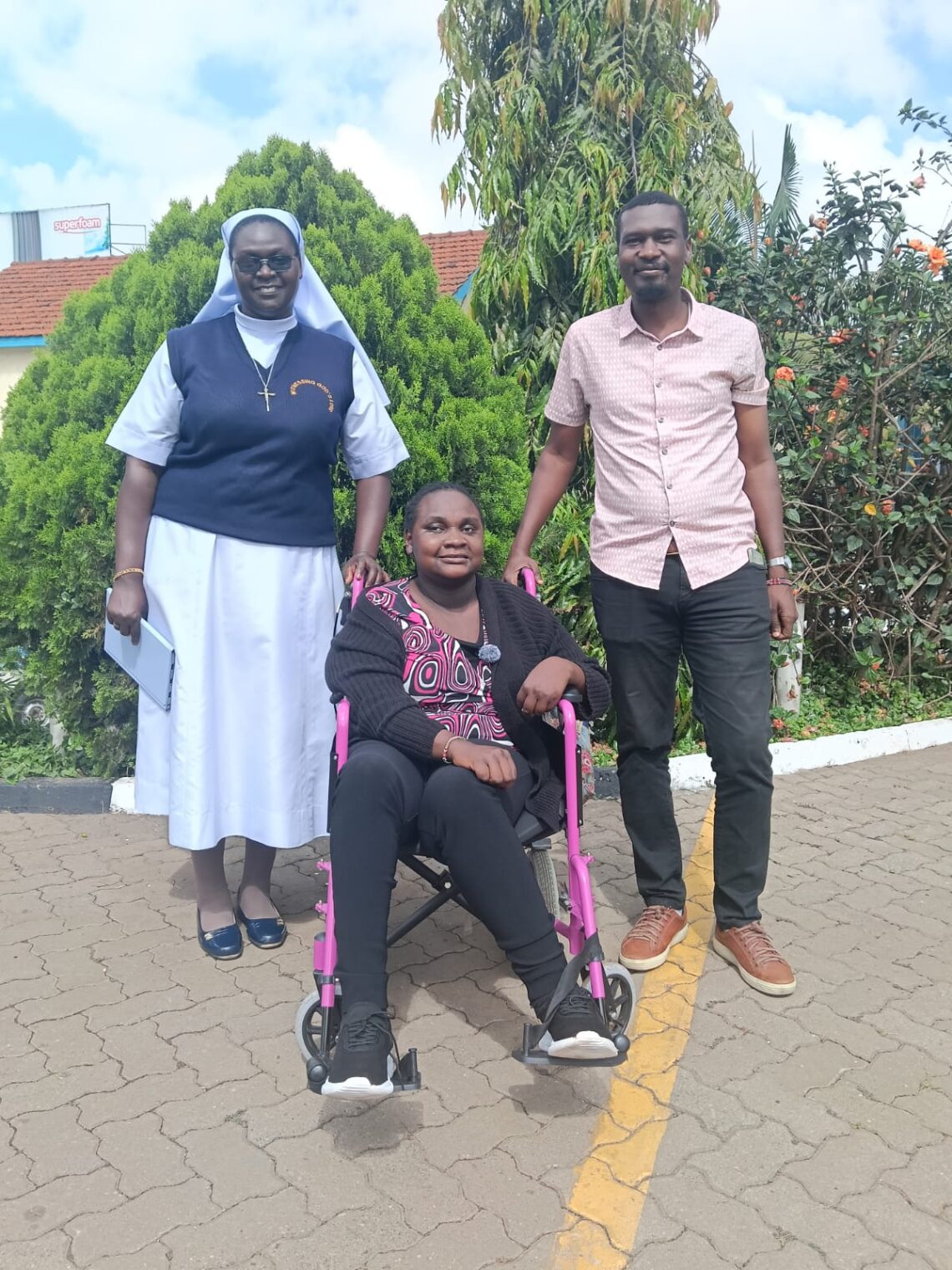
In the quiet but beautiful compound corner of Daystar University Nairobi Campus where ambition meets resilience, an elegant postgraduate student named Luisa tells her story of what it means to live and dream with a disability.Luisa, navigates campus life in a wheelchair. But beyond the lecture halls and academic deadlines lies a deeper identity she is determined to nurture that of a musician. I don’t just want to be heard in class,” she says with a soft smile. “I want to be heard through music for I love music and so would wish to become a musician”
A dream being born in silence “Music will not only give me a voice when I struggled to express myself,” she explains. Her story echoes a broader reality: for many persons with disabilities, creative arts become powerful tools of expression and identity. Studies and real life stories show that music can help individuals communicate, connect, and even overcome social barriers.
On the other hand her campus life and quiet battles and struggles, At Daystar, Luisa is pursuing her undergraduate studies in Sociology. While the university has made strides in accessibility, she admits the journey is sometimes difficult.
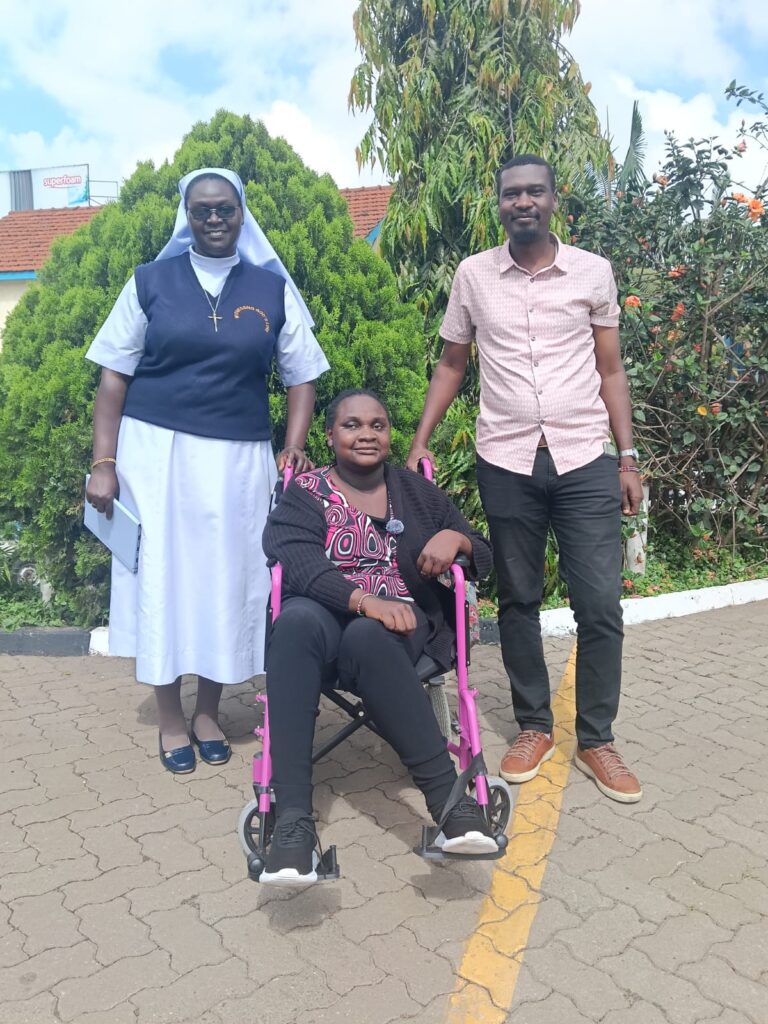
“There are days she feels somewhat nervous .Her experience reflects a wider challenge faced by many disabled students globally navigating environments that are still catching up with inclusive design and representation and yet Luisa remains very optimistic and jovial hence she refuses to let these barriers define her thus turning passion into purpose “I want in future, my music to tell stories people don’t usually hear,” she says. Her ambition aligns with a growing movement of disabled musicians worldwide who are challenging stereotypes and redefining the industry. Many have shown that disability does not limit creativity, but rather shapes unique artistic expression.
Music will not only give me a voice when I struggled to express myself,
Luisa dreams of recording her first song as soon as God paves way for her financially. She hopes to collaborate with local artists and use digital platforms to share her work. But beyond fame, her mission is deeper. “If one person with a disability hears my music and feels seen, then I’ve succeeded,” She says. As a voice for change Luisa’s story is not just about music it is also about visibility. Across the globe, disabled artists are advocating for inclusion, accessibility, and representation in creative spaces. One day, she hopes, the world will hear it too, her journey reminds us that disability is not inability. Sometimes, it is simply a different rhythm waiting to be heard.


Great read.