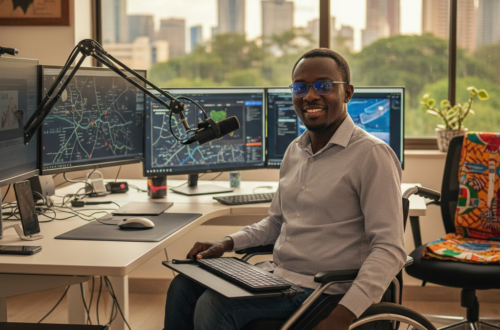
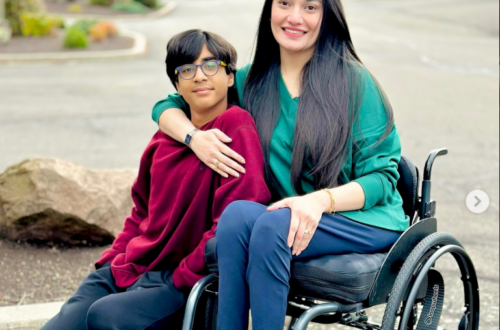
The broadcast journalists always opens up their show with a powerful question: “What does accessibility really mean in our country?” Within few minutes, a multitude of callers begins sharing their experiences missed job opportunities, inaccessible buses, and schools that lack support systems. But this is not just another talk show. It is rather an advocacy in action.
Media practitioners today are playing a critical role in redefining disability not as a limitation, but as a matter of rights, inclusion and policy, Hence through storytelling, reporting, and digital engagement, they are shaping how society understands disability and pushing for meaningful change.
Most often, disability stories are framed around pity or inspiration. However, modern journalism is shifting toward a rights-based approach. Media professionals are now highlighting systemic barriers rather than individual “struggles.” They ask tough questions: Why are public buildings still inaccessible? Why policies are not fully implemented? Who is being left behind and why?
In pointing out these issues into the public spotlight, the media then acts as a bridge between citizens and policymakers. Investigative reports expose gaps in disability laws, while feature stories humanize policy debates, making them relatable and urgent. When audiences connect emotionally and intellectually with these stories, pressure builds for governments and institutions to quickly respond.
Equally important is how media practitioners are amplifying the voices of persons living with disabilities. Instead of speaking about them, they are creating platforms for them to speak for themselves. Interviews, podcasts, and social media collaborations ensure that lived experiences shape public discourse. This shift not only builds authenticity but also strengthens advocacy efforts. Social media, in particular, has revolutionized this space. Journalists and content creators use digital platforms to run campaigns, share real-time stories and mobilize communities around disability rights. Hashtags, short videos, and online discussions turn individual experiences into collective movements that demand policy attention.
Through consistent coverage and ethical storytelling, media practitioners are influencing policies related to education, employment, accessibility, and digital inclusion. They are helping to normalize inclusive practices and challenge outdated perceptions that hinder progress. Redefining disability therefore, is not just about changing narratives it is about driving action. When media tells stories that highlight rights instead of limitations, it empowers communities, informs policymakers, and fosters a more inclusive society. In the end, every headline, broadcast, or post becomes more than content, a call to rethink, reform, and rebuild a world where everyone belongs.