(By Margaret Akoth)
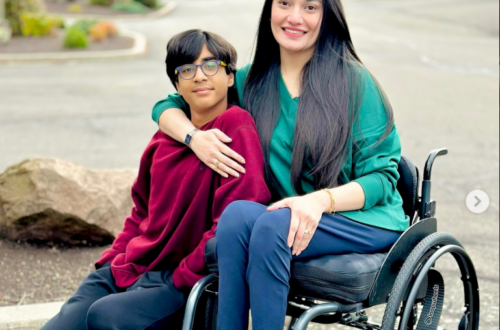
The idea that intellect is negatively impacted by a disability is one of the most widespread and damaging stereotypes. Academically, socially, and professionally, many people with impairments are frequently undervalued. This myth holds that a person’s cognitive skills are inherently limited by a physical or sensory disadvantage. In actuality, intellect and disability are separate variables. A person with a neurological, sensory, or physical impairment may be exceptionally creative, intelligent, or capable of leadership. People with disabilities often encounter obstacles to school and work, which restrict prospects rather than reflecting their intellectual potential, according to the World Health Organization (World Health Organization, 2023).
In order to dispel this notion, inclusive education systems are essential. Students with disabilities may fully exhibit their potential when schools offer accessible classrooms, adaptable learning platforms, and assistive technology like screen readers or speech-to-text tools. Many people achieve academic success, seek further education, and have successful professional lives when given the right assistance. These accomplishments show that access, opportunity, and supportive environments, rather than physical or sensory skills, determine intelligence.
Video: Designing a Disability-Friendly Future
https://www.ted.com/talks
Infographic: Disability and Education Access
https://www.un.org/development/desa/disabilities
Podcast Stories: Disability and learning
https://www.cdc.gov/disability-and-health/articles-documents/multimedia.html
The audiovisual materials above highlight leaders, entrepreneurs, and innovators who are redefining intelligence. Additionally, language is crucial in forming perception. Society may promote inclusive thinking and dispel views by highlighting strengths rather than limitations. It takes knowledge, representation, and inclusive policy to dispel the idea that IQ is impacted by disability. Acknowledging the many types of intelligence guarantees that people with disabilities may make substantial contributions to society’s advancement, creativity, and innovation.